Toy Trains: A World of Educational Fun
In contrast to screens, toy trains have been a source of fun for generations of children around the world. These little vehicles on rails are not only entertaining, but they also offer a wide range of educational benefits. In this article, we'll explore what toy trains are and why they are such valuable toys from an educational perspective. We'll also highlight how they can encourage learning in key areas of child development.
What Are Toy Trains?
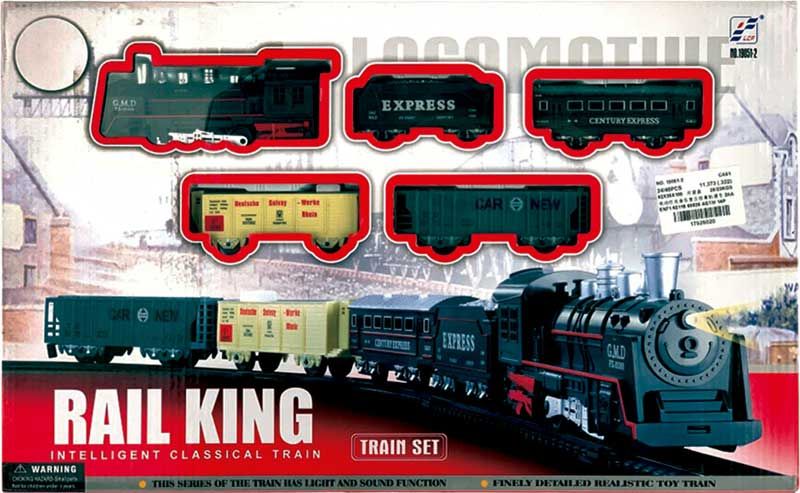
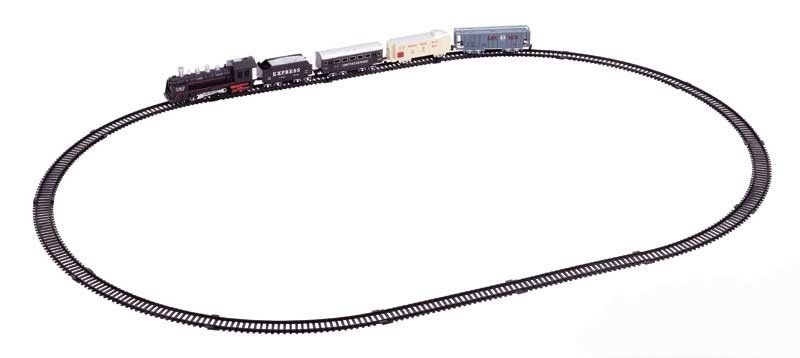
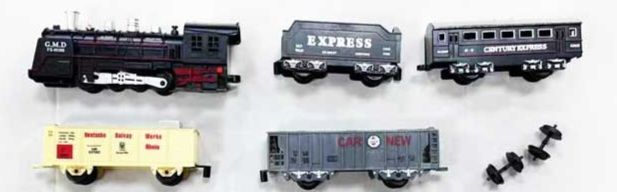
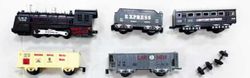
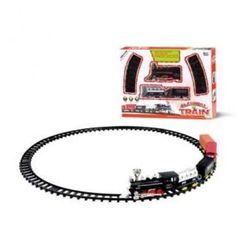
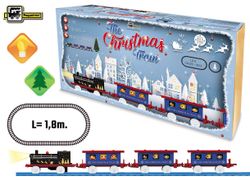
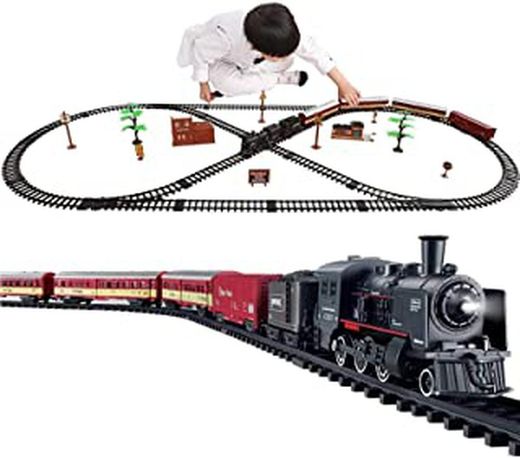
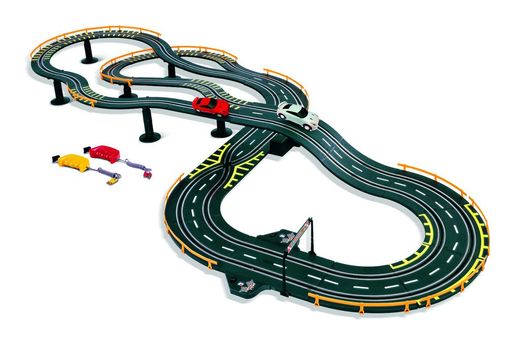
Toy trains are miniature representations of real trains, consisting of locomotives and carriages that travel on rails. These toys are usually made of safe and durable materials, such as ABS plastic and metal, and often include realistic details. Some models can be operated manually, while others are battery-powered.
Advantages of Toy Trains as Educational Toys
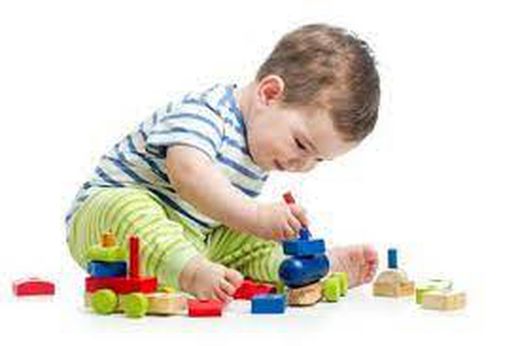
Development of Motor Skills: Toy trains encourage the development of both fine and gross motor skills. Young children can practice hand-eye coordination as they connect the tracks and manipulate the trains. Additionally, pushing the trains along the tracks and assembling and disassembling the tracks requires fine motor skills.
Creativity and Problem Solving: By playing with toy trains, children have the opportunity to create their own railway world. This fosters creativity, planning, and problem-solving as they design routes, decide how to arrange the tracks, and overcome imaginary obstacles.
Learning Spatial Concepts: Toy trains help children understand spatial concepts such as up/down, forward/backward, and right/left. By building and adjusting the tracks, children explore the concept of three-dimensional space. Introduction to Physics: Miniature trains allow children to experience basic physics principles, such as force and speed. They observe how different forces affect the speed of trains and how inclines influence their movement. Language Development: Toy trains offer an opportunity for language development. Children can describe their actions, name the parts of the train and the tracks, and tell stories as they play. Promoting Cooperative Play: Playing with toy trains can also encourage cooperative play. Children can work together to build routes and create shared narratives, which enhances their social skills. Introduction to History and Culture: Through themed trains, such as vintage trains or Christmas trains, children can learn about history and culture. This can spark their interest in exploring more about the past and traditions.
Conclusion
Toy trains are more than just toys; they are educational tools that offer a wide range of benefits. By fostering the development of motor skills, creativity, problem-solving, and the learning of key concepts, toy trains enrich children's play experience and contribute to their development.
Furthermore, they encourage cooperative play and can be a gateway to learning about history and culture. In short, toy trains are a valuable investment in children's development, uniquely combining fun and education.