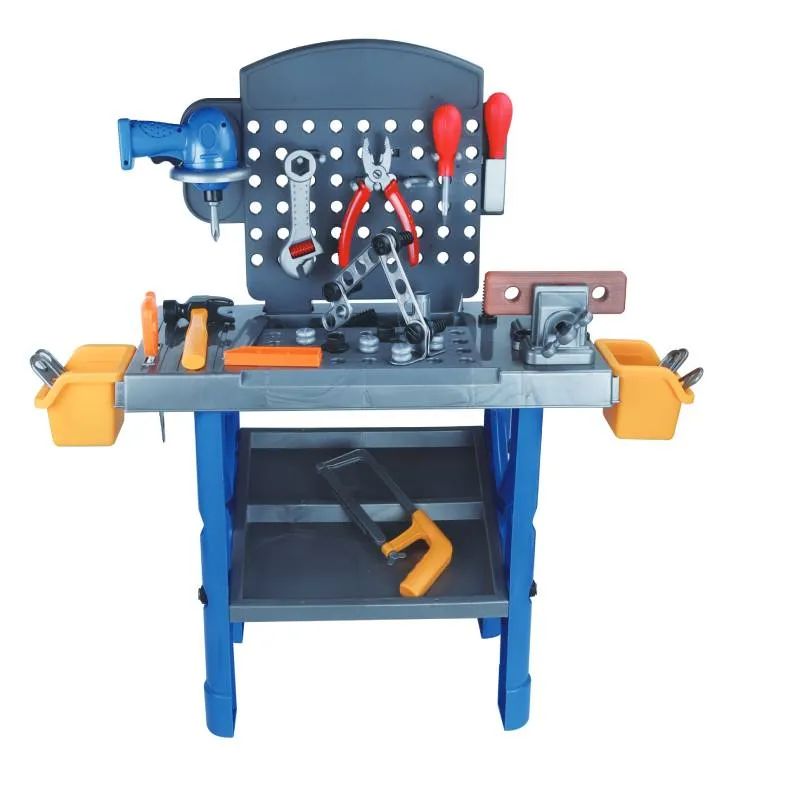
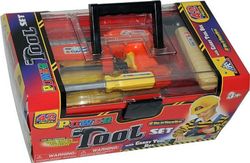
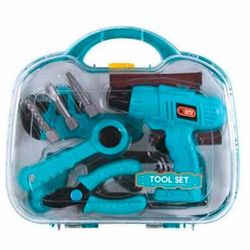
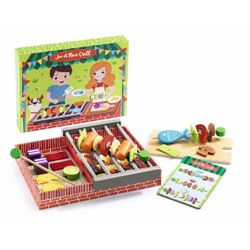
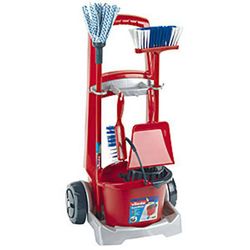
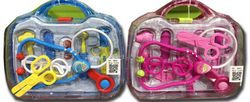
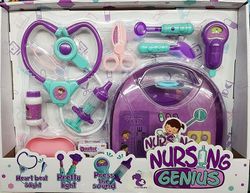
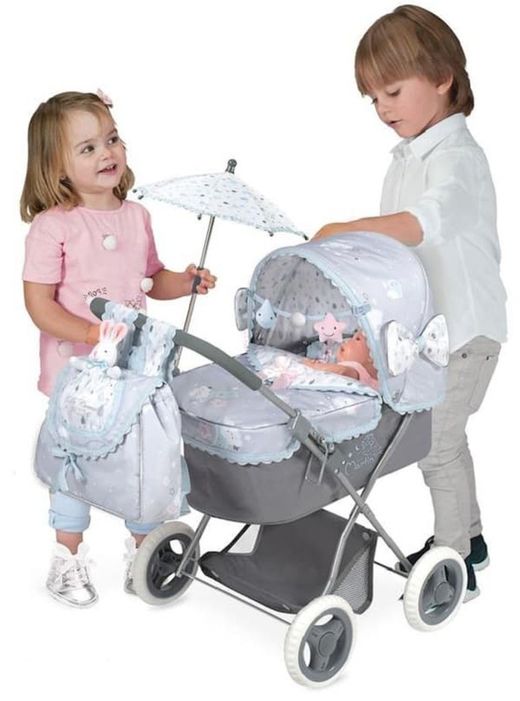
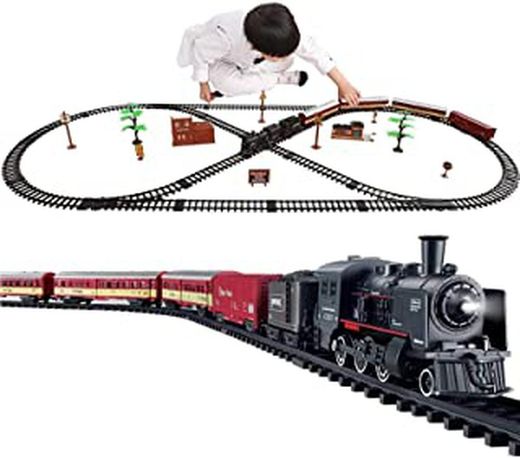
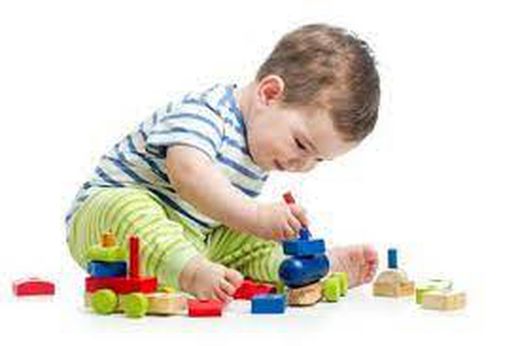
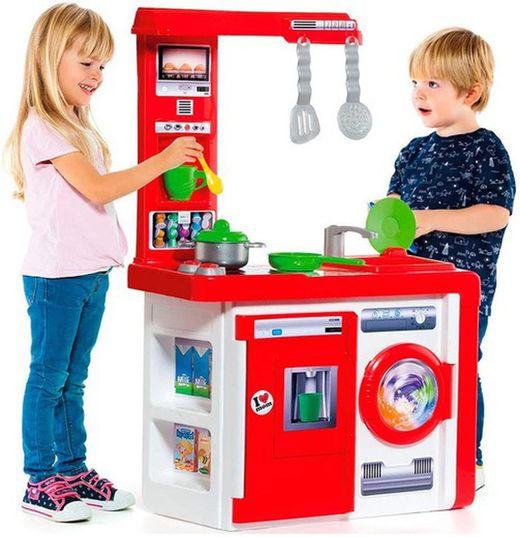
Playing with a workbench encourages creativity, fine motor skills, problem-solving, and patience. It also promotes autonomy, confidence, sensory exploration, and understanding of the world through object manipulation, while in a more adult context, it improves productivity, organization, and job security.
Benefits for Child Development
Creativity and Exploration: Allows children to experiment, build, and create freely, developing their imagination.
Fine Motor Skills: By using tools and manipulating pieces, they improve the precision of their movements and hand-eye coordination.
Problem-Solving: Children face challenges and find practical solutions to complete their projects.
Patience and Concentration: Working on a task requires concentration and perseverance to see it finished.
Autonomy and Confidence: Independence in creating objects reinforces confidence in their own abilities.
Understanding the World: Helps to better understand how things work, the value of creating and repairing, and the relationship between cause and effect.
Effect.
Benefits for work environments (professional and home)
Organization and efficiency: Keeps tools and materials organized, facilitating their location and speeding up tasks.
Safety: Provides a stable surface and an organized workspace, reducing the risk of accidents with tools or materials.
Versatility: Suitable for a wide variety of tasks, from carpentry and mechanics to electronics, adapting to different projects.
Ergonomics: Many models allow height adjustment, helping to maintain a comfortable and healthy posture during long hours of work.
Durability and resistance: Designed to withstand intensive use and the weight of heavy tools, extending their lifespan.